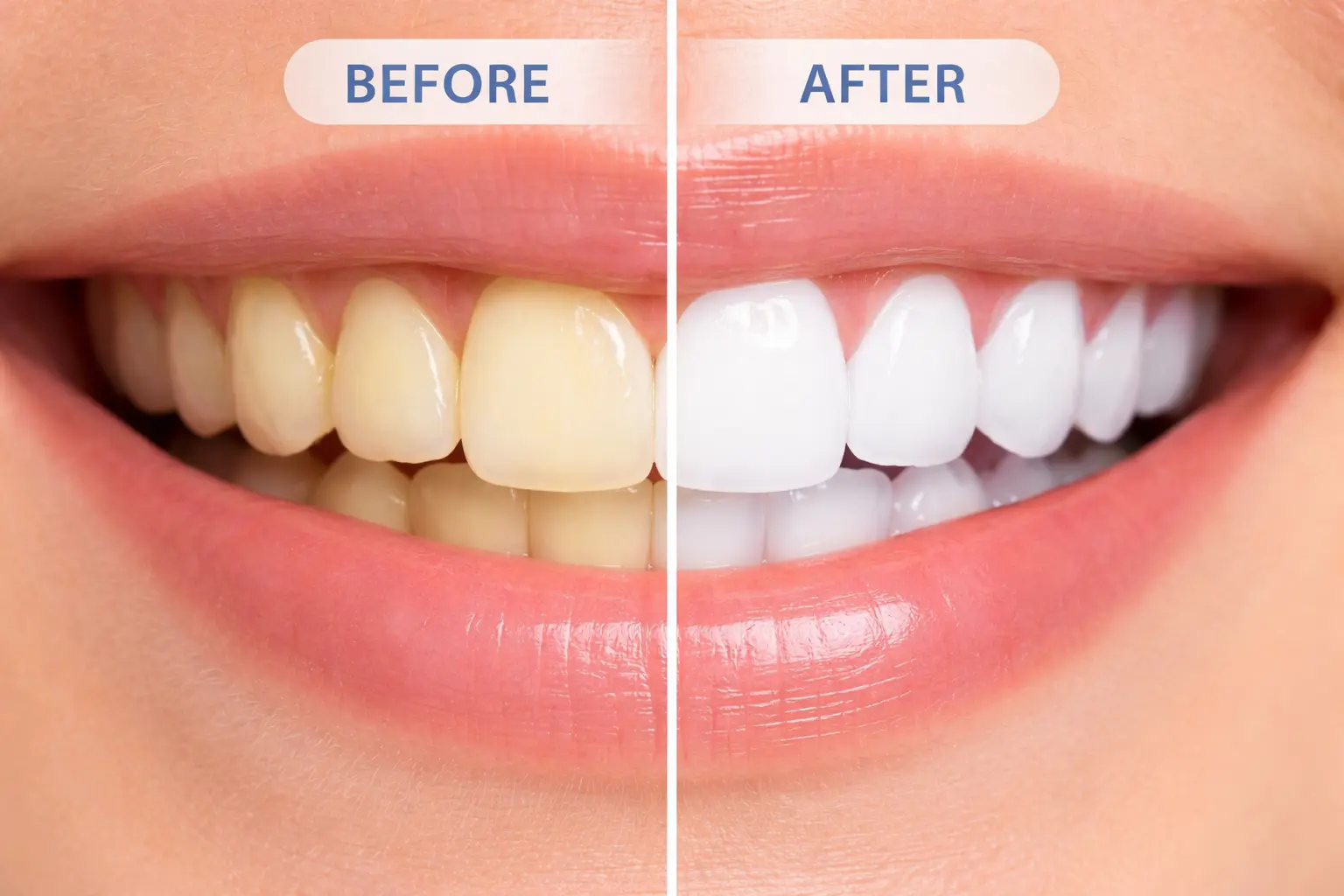
A bright smile communicates confidence and makes a lasting first impression. Yet, many people struggle with yellow teeth, stubborn stains, and a dull smile that makes them feel self-conscious. You have probably seen countless products promising miraculous results.
The truth is that achieving a safely brightened smile requires the right approach. Dentist-approved methods protect your enamel while delivering actual results. If you want to find the best teeth whitening solution for your unique smile, understanding the science behind the treatments is the perfect place to start.
What Causes Teeth Discoloration?
Before you can effectively whiten your teeth, you need to understand why they lose their natural brightness. Several factors contribute to a dull smile.
External Stains
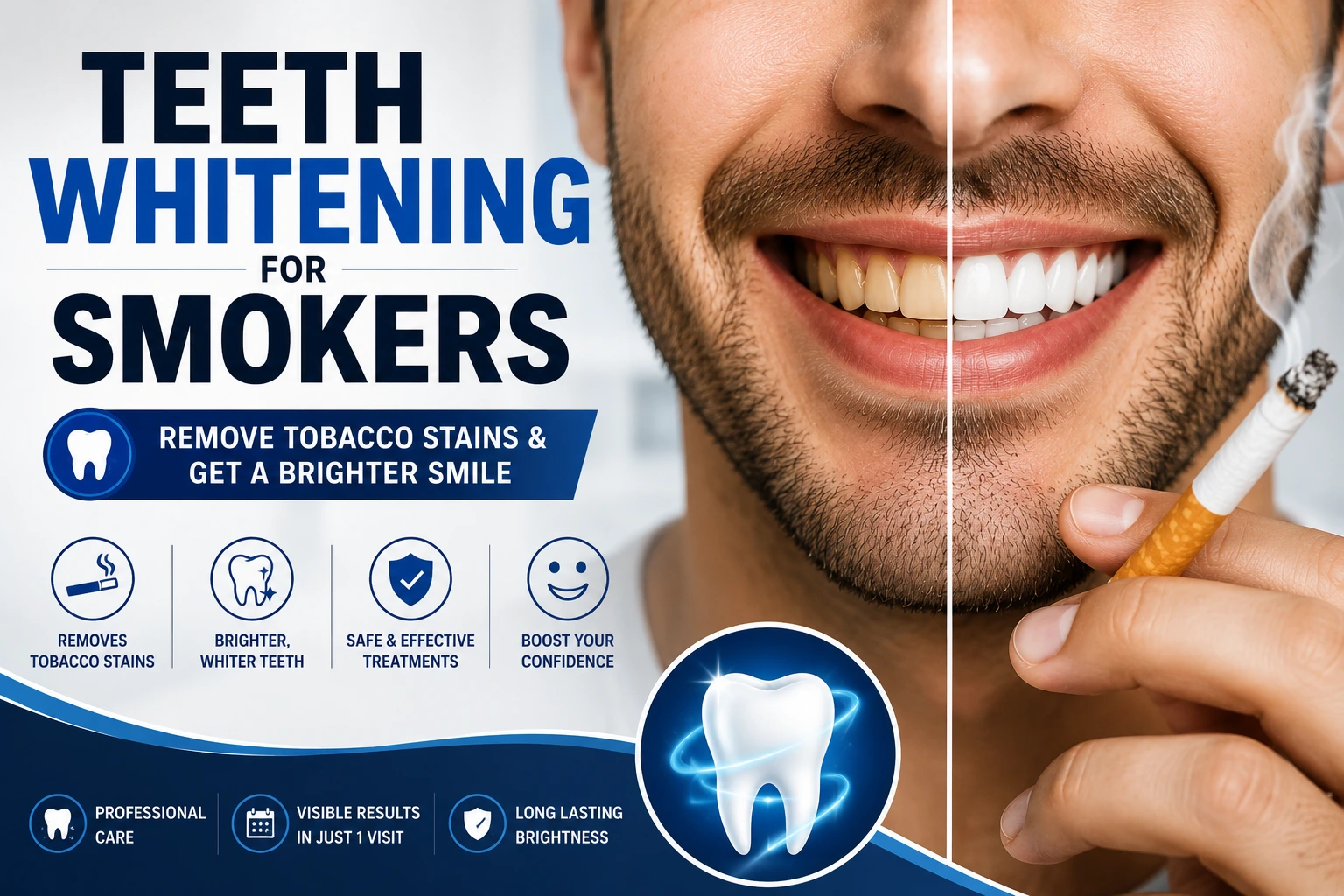
Certain foods and beverages are notorious for staining teeth. Coffee, tea, red wine, and dark berries contain pigments that attach to the tooth enamel. Smoking and tobacco use also introduce tar and nicotine, which quickly turn teeth yellow or brown.
Internal Discoloration
Sometimes the inside of the tooth darkens. This can happen due to aging, as the outer enamel wears thin and reveals the yellowish dentin underneath. Certain medications, like tetracycline antibiotics taken during childhood, can also cause deep intrinsic stains.
Poor Oral Hygiene
Skipping your daily brushing and flossing allows plaque and tartar to build up. This buildup absorbs stains easily and makes your smile appear dingy.
Genetics
Some people are born with thicker or brighter enamel than others. Your DNA plays a massive role in the baseline color of your teeth.
Knowing the root cause of your discoloration helps explain why not all whitening methods work the same for everyone.
What Is Teeth Whitening?
Teeth whitening is a cosmetic dental procedure that removes stains and lightens the color of your teeth.
Most teeth whitening treatments fall into two categories: bleaching and non-bleaching. Bleaching products contain active ingredients like hydrogen peroxide or carbamide peroxide. These chemicals break stains into smaller pieces, making the color less concentrated and your teeth significantly brighter. Non-bleaching products work by physical or chemical action to help remove surface stains only.
Seeking professional advice before starting any treatment ensures you choose a safe method that will not permanently damage your enamel or irritate your gums.
Types of Teeth Whitening Treatments
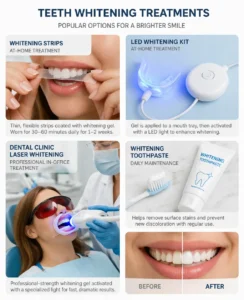
There are three main categories of whitening options available today.
Professional Treatments
In-clinic whitening is the fastest and most effective way to brighten your smile. A dentist applies a high-concentration bleaching gel to your teeth and may use a specialized light to accelerate the chemical reaction. Laser whitening is another advanced option that provides dramatic results in a single visit. This type of doctor whitening is highly controlled, ensuring your gums are protected while delivering safe, long-lasting outcomes.
At-Home Whitening
Dentists often recommend take-home kits that include custom-fitted whitening trays and professional-grade gel. These provide excellent results over a few weeks. Over-the-counter options like whitening strips and whitening toothpaste are also popular. Strips can lighten teeth by a few shades, but they may not fit perfectly, leading to uneven results. Whitening toothpastes generally only remove surface stains because they rely on mild abrasives rather than bleaching agents.
Natural Remedies
You might see trends suggesting baking soda, activated charcoal, or oil pulling for a brighter smile. Dentists strongly caution against relying on these methods. Charcoal and baking soda are highly abrasive and can scrub away your protective enamel, ultimately making your teeth look more yellow over time. Oil pulling will not harm your teeth, but there is no scientific evidence proving it actually whitens them.
Best Teeth Whitening Methods Recommended by Dentists
When looking for the most recommended teeth whitening, dental professionals consistently point to custom take-home trays and in-office bleaching.
In-office treatments rank highest for speed and dramatic results. They are the safest option because a professional monitors the entire process. Custom take-home trays rank second. They are highly effective, generally cost less than in-office procedures, and allow you to touch up your smile at home.
Over-the-counter strips rank third. They are budget-friendly but carry a higher risk of gum irritation and uneven whitening.
Professional Teeth Whitening: What to Expect
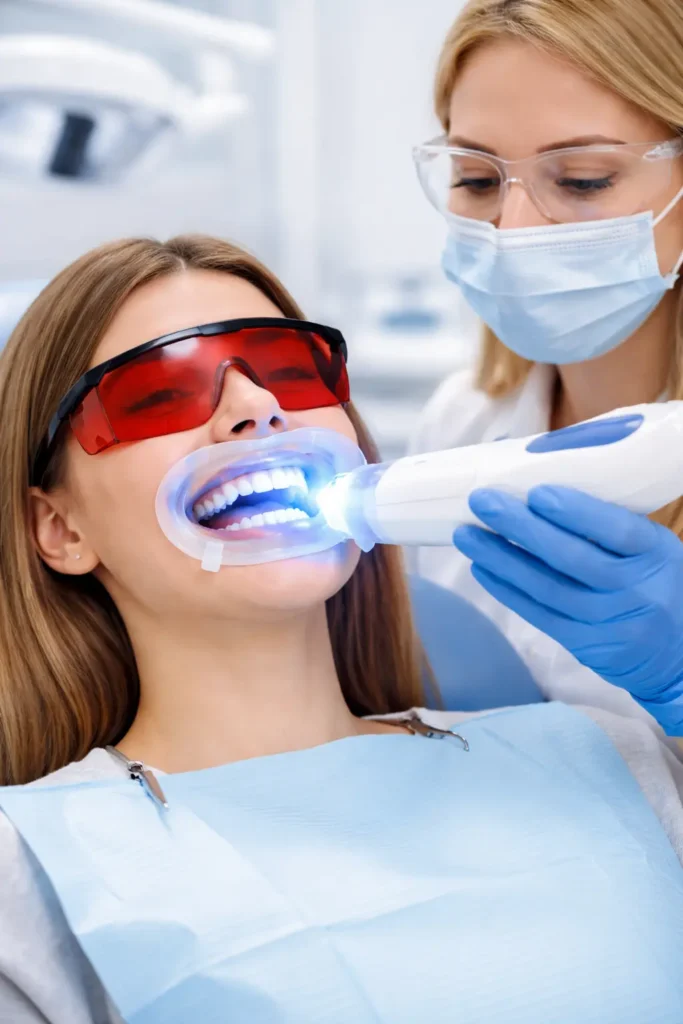
If you decide to book a professional treatment, the process is straightforward. First, your dentist will examine your teeth to ensure you have no untreated cavities or active gum disease. Next, they will place a protective barrier over your gums. The bleaching gel is then applied directly to your teeth and left on for 15 to 30 minutes. This step might be repeated a few times during the appointment.
The entire visit usually takes about an hour. You will see immediate results before you even leave the chair. The cost varies widely depending on your location. For example, getting professional Teeth Whitening in London might cost between £300 and £800, depending on the specific clinic and technology used.
How Long Do Whitening Results Last?
Teeth whitening is not permanent. On average, professional results can last anywhere from six months to three years.
The longevity of your bright smile depends heavily on your lifestyle. Drinking coffee daily or smoking will cause stains to return much faster. To maintain your results, drink dark liquids through a straw, brush twice a day, and use a dentist-provided touch-up kit every few months.
Risks and Side Effects of Teeth Whitening
While whitening is generally safe, it does come with a few potential side effects.
Tooth sensitivity is the most common issue. The bleaching agents temporarily open the pores in your enamel, exposing the sensitive nerves inside. Gum irritation can also occur if the whitening gel leaks onto the soft tissues of your mouth. Overusing whitening products can lead to permanently weakened enamel and translucent-looking teeth. Dentists minimize these risks by using the correct concentration of peroxide and protecting your gums during the procedure.
Tips to Maintain White Teeth After Whitening
Keeping your smile bright requires a bit of daily effort.
Daily Habits: Brush your teeth twice a day with fluoride toothpaste and floss daily to remove plaque before it hardens.
Foods to Avoid: Limit your intake of soy sauce, balsamic vinegar, berries, and dark beverages.
Dentist Follow-Up: Visit your dentist every six months for a professional cleaning to remove surface stains and tartar buildup.
Who Should Avoid Teeth Whitening?
Whitening is not suitable for everyone. You should avoid these treatments if you have:
- Extremely sensitive teeth
- Untreated cavities or active gum disease
- Exposed tooth roots (roots do not have enamel and will not whiten)
- Dental restorations like crowns or veneers on your front teeth (bleach will not change their color)
Additionally, pregnant or nursing women, as well as children under the age of 16, should wait before pursuing cosmetic whitening procedures.
Choosing the Best Teeth Whitening Option for You
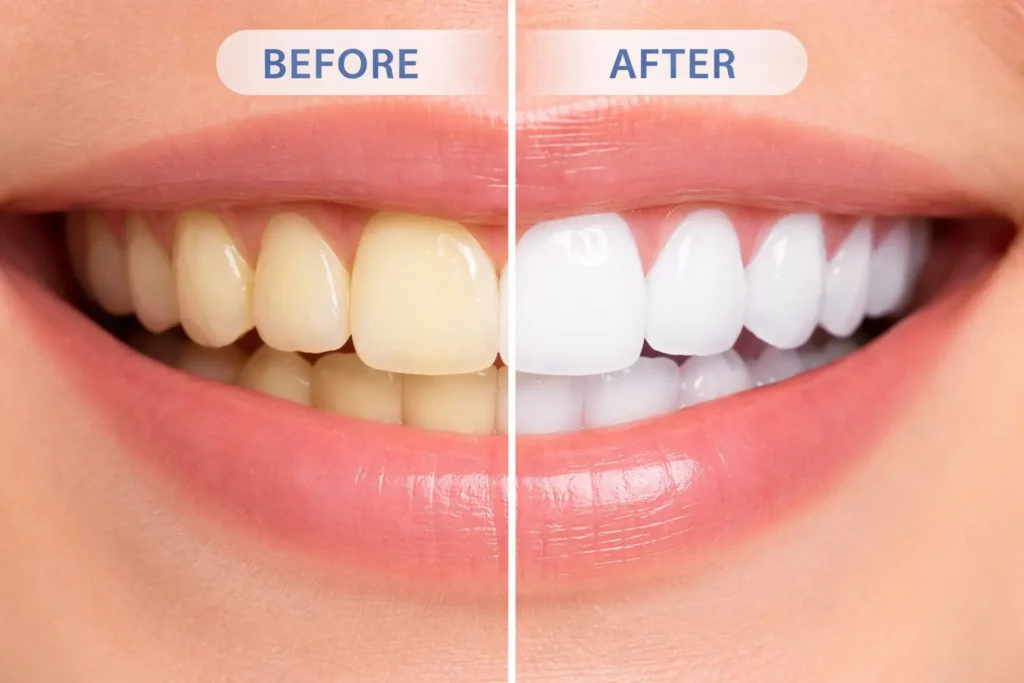
Selecting the right treatment comes down to balancing your budget, your timeline, and your desired results. If you have an important event coming up and want immediate results, an in-office treatment is the best choice. If you prefer a more gradual change and want to save money, a professional take-home kit is highly effective.
Always consult a dentist before trying to dramatically change the color of your teeth. They can identify the cause of your discoloration and recommend the safest path forward.
Frequently Asked Questions
What is the best teeth whitening method?
The best method is professional in-office whitening combined with custom take-home trays. This ensures safe, even, and long-lasting results tailored to your specific needs.
Is dentist whitening safe?
Yes. When performed or supervised by a licensed dental professional, teeth whitening is entirely safe and minimizes risks like severe sensitivity and enamel damage.
How much does teeth whitening cost?
Over-the-counter products cost between $20 and $100. Professional take-home kits usually range from $200 to $400, while in-office laser treatments can cost anywhere from $500 to $1,000.
Does whitening damage enamel?
Properly used, dentist-approved whitening products do not damage enamel. However, using highly abrasive DIY methods (like charcoal) or leaving bleach on your teeth for too long can cause permanent harm.
How often can I whiten my teeth?
You can safely use professional touch-up treatments every four to six months. Over-the-counter daily whitening toothpastes can be used regularly, but always follow the package instructions.
Start Your Journey to a Brighter Smile Today
Achieving a brilliant, white smile is easier than ever, but safety should always be your top priority. From understanding the root causes of discoloration to selecting the right professional treatment, being informed protects your dental health. While store-bought products offer minor improvements, nothing compares to the predictable, stunning results of dentist-approved methods.
Ready to transform your smile? Schedule a consultation with your local dentist to discuss the best whitening options for your teeth.