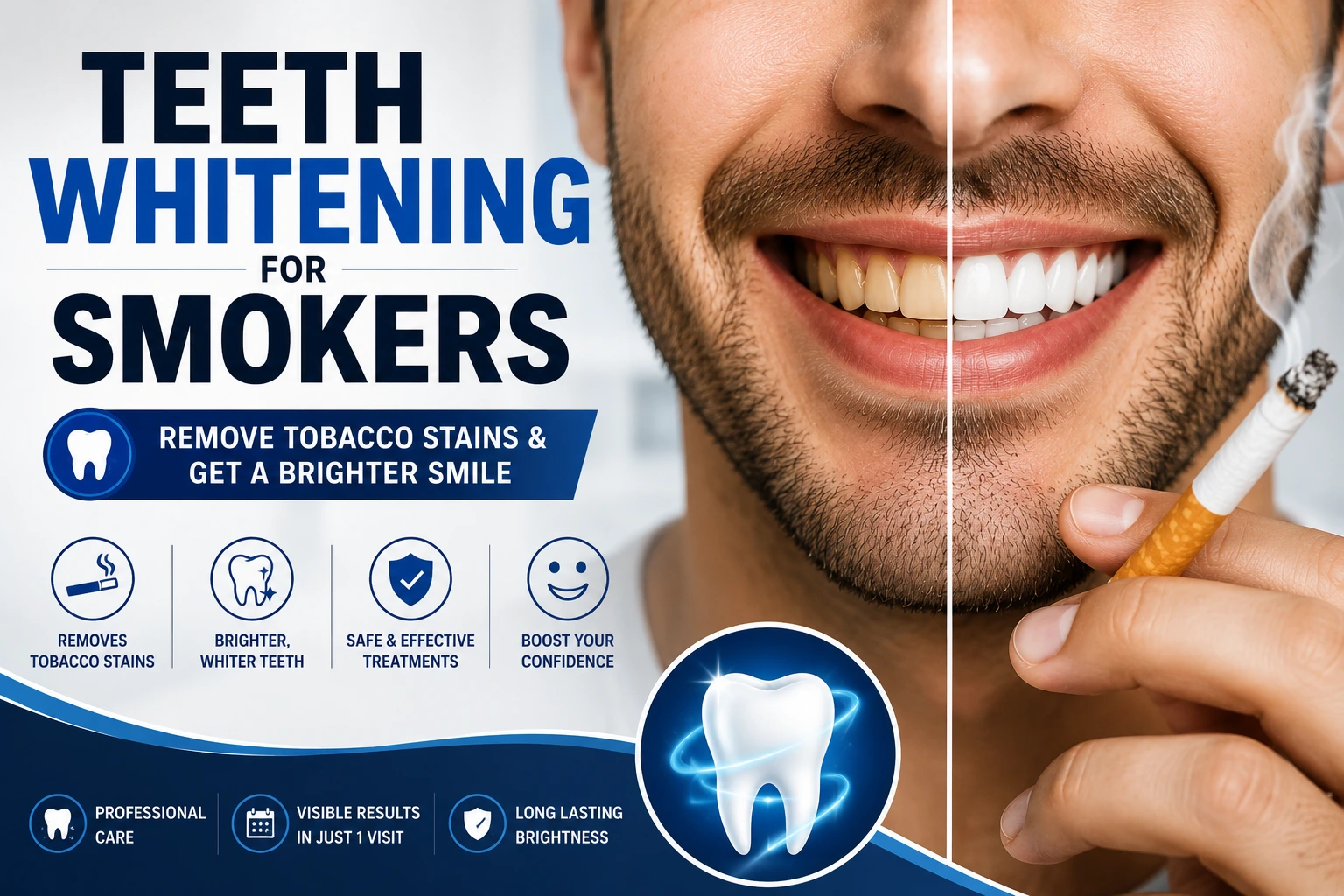
A bright smile has become one of the most desired cosmetic features today. Many people want whiter teeth because it can make them feel more confident and improve their overall appearance. From professional dental treatments to over the counter products, teeth whitening has become more accessible than ever. However, one question continues to appear in search results and dental consultations. Is teeth whitening safe?
The good news is that modern whitening treatments are generally considered safe when they are used correctly and under professional guidance. Dentists have been performing whitening procedures for many years and millions of people use whitening products without serious problems. Still, many people worry about possible damage to enamel, tooth sensitivity, or long term effects.
Understanding how whitening works and when it should be used can help you make the right decision for your smile. In this guide you will learn how whitening treatments work, whether teeth whitening is safe for your teeth, and how to choose safe teeth whitening options that protect your dental health while improving your smile.
What Is Teeth Whitening and How Does It Work?
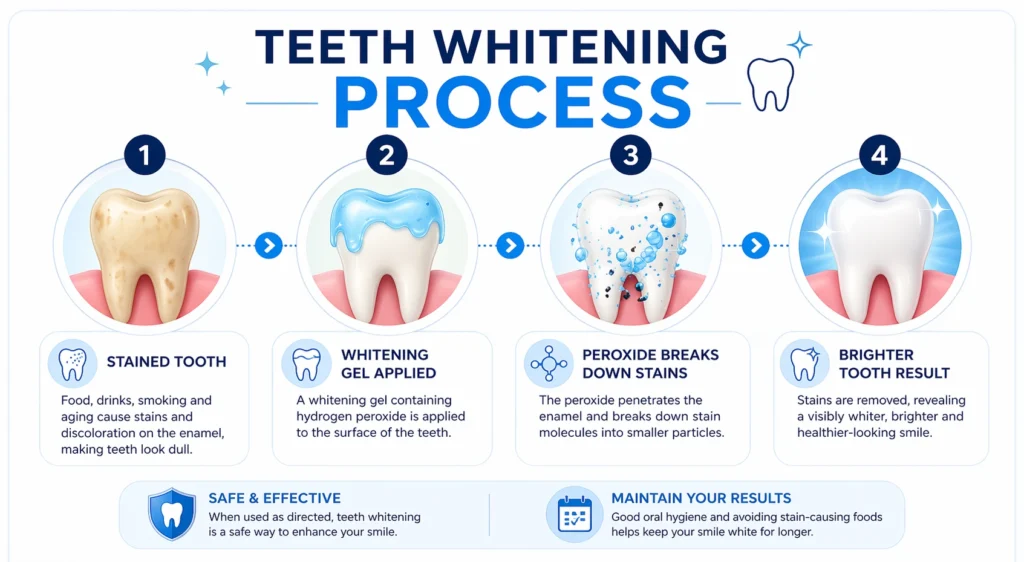
Teeth whitening is a cosmetic dental treatment that helps remove stains and discoloration from the surface of teeth. The goal of the treatment is to lighten the natural shade of teeth and restore a brighter appearance.
Many people ask the question teeth whitening does it work, and the answer is yes. Whitening treatments can be very effective when they are used properly. However the results depend on the cause of tooth discoloration and the type of whitening method used.
Most whitening treatments rely on bleaching agents that break down stain molecules inside the enamel. These agents penetrate the outer layer of the tooth and help dissolve stains that have built up over time.
Common Causes of Tooth Discoloration
Tooth staining can occur for many reasons. Some stains appear on the surface while others develop deep inside the tooth structure.
Common causes include
Coffee and tea consumption
Red wine and dark colored foods
Smoking or tobacco use
Poor oral hygiene habits
Natural aging of teeth
Certain medications
As people get older the enamel on their teeth becomes thinner. This allows the yellow layer underneath the enamel to become more visible. This is one reason why many adults look for safe teeth whitening treatments to improve their smile.
The Science Behind Whitening Treatments
The most common whitening agents used in dental products are hydrogen peroxide and carbamide peroxide. These ingredients release oxygen molecules that break apart the compounds responsible for tooth stains.
When the stain molecules are broken down they become smaller and less visible. This process makes the teeth appear lighter and brighter.
Professional whitening treatments often use stronger concentrations of these agents, which means they can produce faster and more noticeable results. Over the counter products usually contain lower concentrations so they work more gradually.
Is Teeth Whitening Safe for Your Teeth?
One of the most common concerns people have before starting treatment is whether teeth whitening is safe. In most cases the answer is yes, especially when the procedure is done correctly.
Dentists around the world consider whitening treatments to be safe for healthy teeth and gums. Professional treatments are carefully monitored to make sure the whitening agents do not damage the tooth structure.
If you are wondering teeth whitening is it safe, it helps to understand that the safety of the treatment depends on how it is performed. When whitening products are used according to instructions they do not permanently harm enamel or weaken teeth.
Another common question is is it safe to whiten teeth at home. Many at home products are approved by dental organizations and contain controlled levels of whitening agents. These products are designed to gradually lighten teeth while minimizing side effects.
However it is always recommended to consult a dentist before starting any whitening treatment. A dental professional can determine the cause of tooth discoloration and recommend the safest approach for your specific situation.
Can Teeth Whitening Damage Teeth? Understanding the Risks
Even though whitening treatments are generally safe, some people still worry about possible damage. Questions like can teeth whitening damage teeth or can whitening damage teeth are very common.
The truth is that whitening treatments rarely cause permanent damage when they are used correctly. However there are some temporary side effects that people may experience.
Common Side Effects of Whitening Treatments
The most common side effect of whitening is tooth sensitivity. This happens because whitening agents temporarily open tiny pores in the enamel, allowing the whitening solution to reach the stain molecules.
During this process the teeth may become more sensitive to hot or cold foods. The sensitivity usually disappears after the treatment is completed.
Another possible side effect is mild gum irritation. This can occur if the whitening gel comes into contact with the gums. Professional treatments are carefully applied to reduce this risk.
These effects are temporary and do not usually indicate any long term damage to the teeth.
When Whitening Can Actually Harm Your Teeth
While professional treatments are safe, problems can occur when whitening products are misused.
Overusing whitening products can increase sensitivity and irritation. Some people attempt to whiten their teeth too frequently in the hope of achieving faster results.
Unregulated products or homemade remedies can also be risky. Some internet trends recommend using acidic ingredients such as lemon juice or baking soda mixtures. These substances can erode enamel and increase the risk of tooth damage.
This is why many dentists emphasize the importance of choosing safe teeth whitening methods that are tested and approved for dental use.
Professional vs At Home Whitening Which Is Safer?
People often compare professional dental whitening with at home treatments to decide which option is best.
Both methods can be safe and effective, but there are important differences between them.
Benefits of Professional Teeth Whitening
Professional teeth whitening is performed or supervised by a dentist. This means the treatment is customized for your teeth and gum health.
Dentists use higher concentration whitening agents, but they also take steps to protect the gums and surrounding tissues. Special barriers and protective gels are often used during the procedure.
Professional treatments usually produce noticeable results in a single session. For people who want faster results with minimal risk, this option is often recommended.
Safety of At Home Whitening Kits
At home whitening kits are widely available and can be a convenient option for many people.
These products include whitening strips, gels, trays, and whitening toothpaste. Because they contain lower concentrations of bleaching agents, they work more slowly than professional treatments.
When used according to instructions they are generally safe for most people. However the results may take several weeks to become visible.
For the safest results it is always helpful to consult a dentist before starting an at home whitening routine.
Is Laser Teeth Whitening Safe?
Laser whitening has become a popular cosmetic dental treatment in recent years. Many people search for information about whether this procedure is safe.
If you are asking is laser teeth whitening safe, the answer is yes when it is performed by a trained dental professional.
Laser whitening involves applying a whitening gel to the teeth and then activating it with a specialized light or laser. The light helps speed up the chemical reaction that breaks down stains.
Because the procedure is performed in a controlled dental environment, dentists can monitor the treatment and protect sensitive areas of the mouth.
Laser whitening is often chosen by patients who want dramatic results in a shorter amount of time. The treatment can significantly lighten teeth in a single appointment.
As with other whitening methods, some temporary sensitivity may occur after the procedure. However this effect usually fades within a few days.
Is Teeth Whitening Worth It?
Many people considering treatment also wonder is teeth whitening worth it. The answer depends on your goals and expectations.
For many individuals whitening treatments provide noticeable improvements in the appearance of their smile. A brighter smile can make people look younger and more confident.
Research and patient experiences show that teeth whitening does it work for many types of stains, particularly those caused by food, beverages, and smoking.
Some of the most common benefits include
Improved smile appearance
Greater self confidence in social situations
Enhanced professional appearance
Quick cosmetic improvement without invasive procedures
Whitening treatments are also relatively affordable compared to other cosmetic dental procedures such as veneers or crowns.
However the results are not permanent. Teeth can gradually become stained again over time, especially if you frequently consume coffee, tea, or tobacco products.
Maintaining good oral hygiene and reducing staining habits can help preserve your results for a longer period.
Who Should Avoid Teeth Whitening?
Although whitening treatments are safe for many people, they may not be suitable for everyone.
Pregnant or breastfeeding women are usually advised to postpone cosmetic dental procedures until after pregnancy.
Children and teenagers may also need to wait until their permanent teeth are fully developed before undergoing whitening treatments.
People with untreated cavities or gum disease should address these dental issues before considering whitening. Whitening agents may cause discomfort if the teeth or gums are already damaged.
Individuals with crowns, veneers, or fillings should also understand that whitening products do not change the color of dental restorations. This may lead to uneven color if natural teeth become lighter.
A dental examination can help determine whether whitening is a suitable option for your situation.
Tips for Safe Teeth Whitening
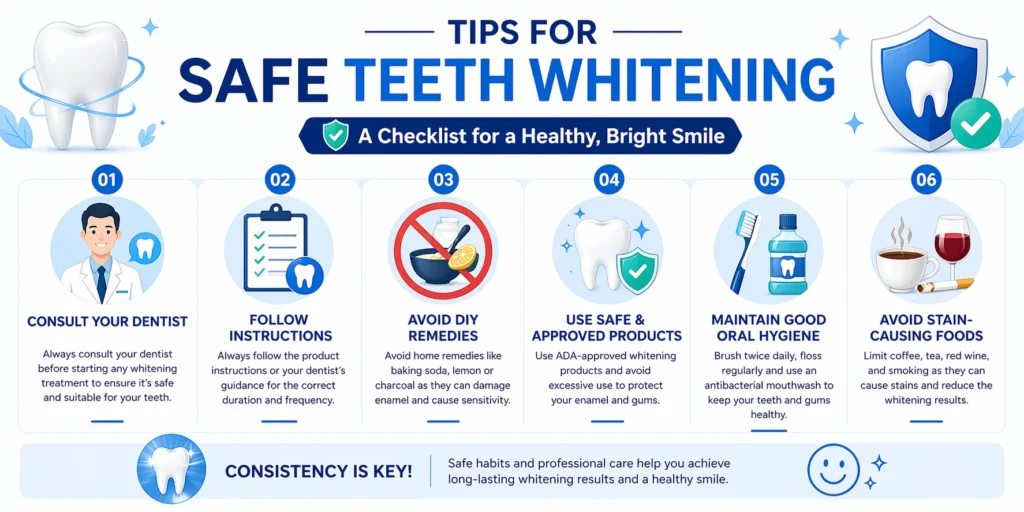
If you want to improve your smile while protecting your dental health, following a few simple guidelines can make a big difference.
How to Protect Your Teeth During Whitening
Always consult a dentist before starting treatment
Choose products that are approved by dental professionals
Follow the instructions provided with whitening products
Avoid excessive use of whitening treatments
Stop treatment if you experience severe sensitivity
These steps can help ensure safe teeth whitening and reduce the risk of irritation or discomfort.
How to Maintain Your Whitening Results
After whitening your teeth it is important to maintain good oral hygiene habits.
Brush your teeth at least twice a day
Floss daily to remove plaque buildup
Limit foods and drinks that stain teeth
Visit your dentist regularly for cleanings
These habits can help maintain your brighter smile and prevent new stains from forming.
Final Thoughts Is Teeth Whitening Safe and Effective?
Teeth whitening has become one of the most popular cosmetic dental treatments in the world. When used properly it can safely improve the appearance of your smile and boost your confidence.
If you are still asking is teeth whitening safe, the answer is yes for most people with healthy teeth and gums. Professional treatments and approved whitening products are designed to remove stains without damaging enamel.
Concerns such as can teeth whitening damage teeth or is teeth whitening bad for your teeth usually arise when products are misused or when unregulated remedies are used.
By choosing safe teeth whitening methods and following professional advice you can achieve noticeable results while protecting your dental health.
A bright and confident smile is possible with the right approach and proper care.