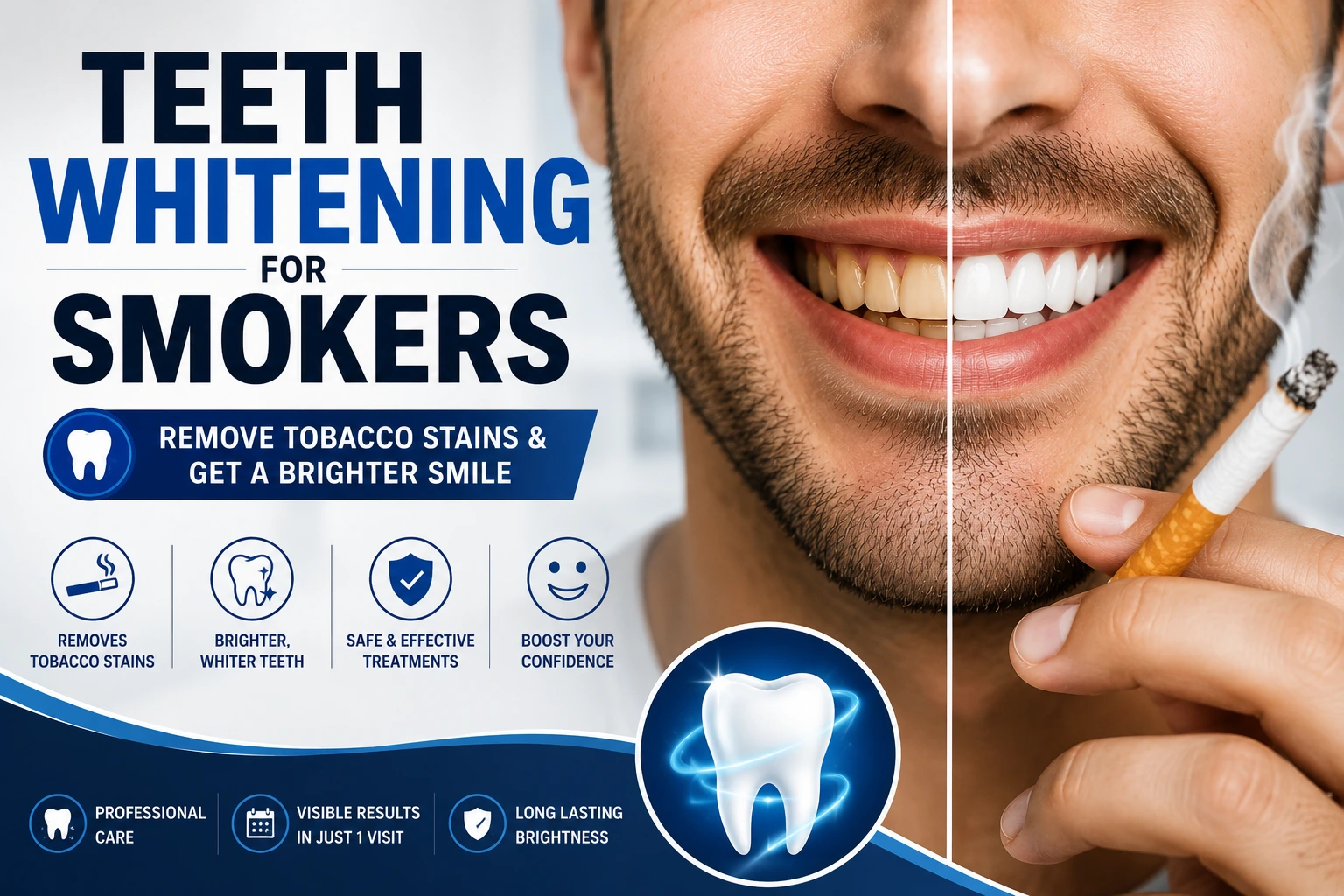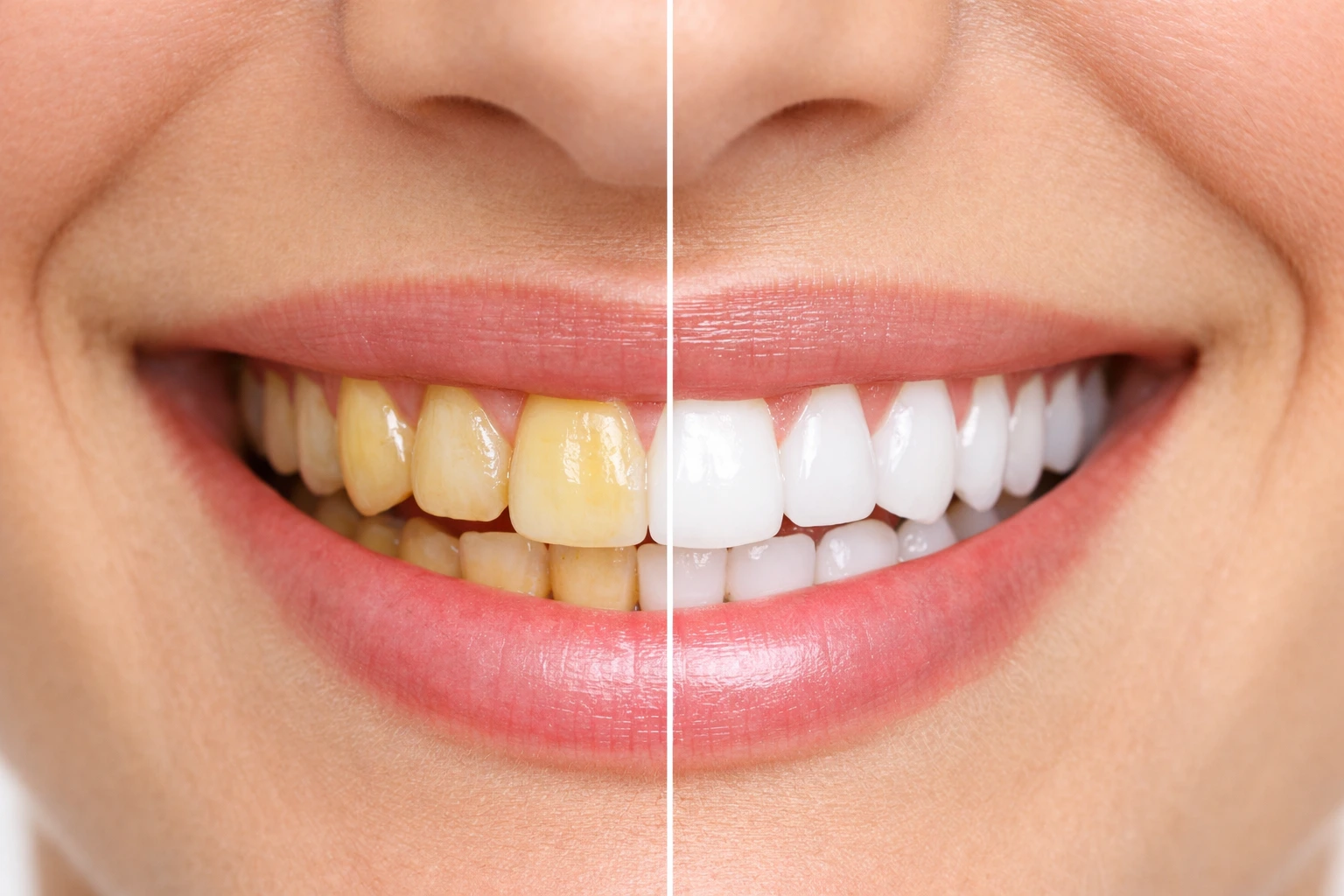
A bright, white smile is often associated with confidence, good health, and proper oral hygiene. However, many people notice changes in the color of their teeth over time. This common dental issue is known as teeth discoloration, and it can affect people of all ages. From yellowing enamel to white spots or dark stains, different forms of teeth stains and discoloration can develop for various reasons.
Understanding what causes teeth discoloration is important if you want to maintain a healthy and attractive smile. In many cases, everyday habits like drinking coffee, smoking, or poor oral hygiene can contribute to the discoloration of teeth. In other situations, internal factors such as aging, medications, or dental trauma may be responsible.
Some people also notice unusual white patches or spots on their teeth and wonder what causes white discoloration on teeth. These changes can be related to enamel development, mineral loss, or excessive fluoride exposure.
In this guide, we will explore everything you need to know about teeth discoloration, including the different types of stains, the most common causes, treatment options, and practical tips to prevent future discoloration. By understanding the reasons behind teeth stains and discoloration, you can take the right steps to keep your smile bright and healthy.
Understanding Teeth Discoloration
Teeth discoloration refers to any change in the natural color of teeth. Healthy teeth are usually slightly off-white or light ivory in color, but several factors can cause them to become yellow, brown, gray, or develop white spots.
The discoloration of teeth can happen on the outer surface of the tooth or inside the tooth structure. In many cases, discoloration develops gradually due to lifestyle habits and environmental exposure.
The outer layer of the tooth, called enamel, protects the inner layer known as dentin. Enamel is naturally translucent, which means the color of dentin can influence how teeth appear. When enamel becomes thin or stained, it can lead to noticeable teeth stains and discoloration.
There are two primary ways teeth discoloration can occur:
External staining, which happens on the surface of the enamel
Internal staining, which occurs within the tooth itself
Both types contribute to the overall discoloration of teeth, but they have different causes and treatment approaches. Understanding the source of the problem is essential when determining the best way to restore a brighter smile.
Types of Teeth Discoloration
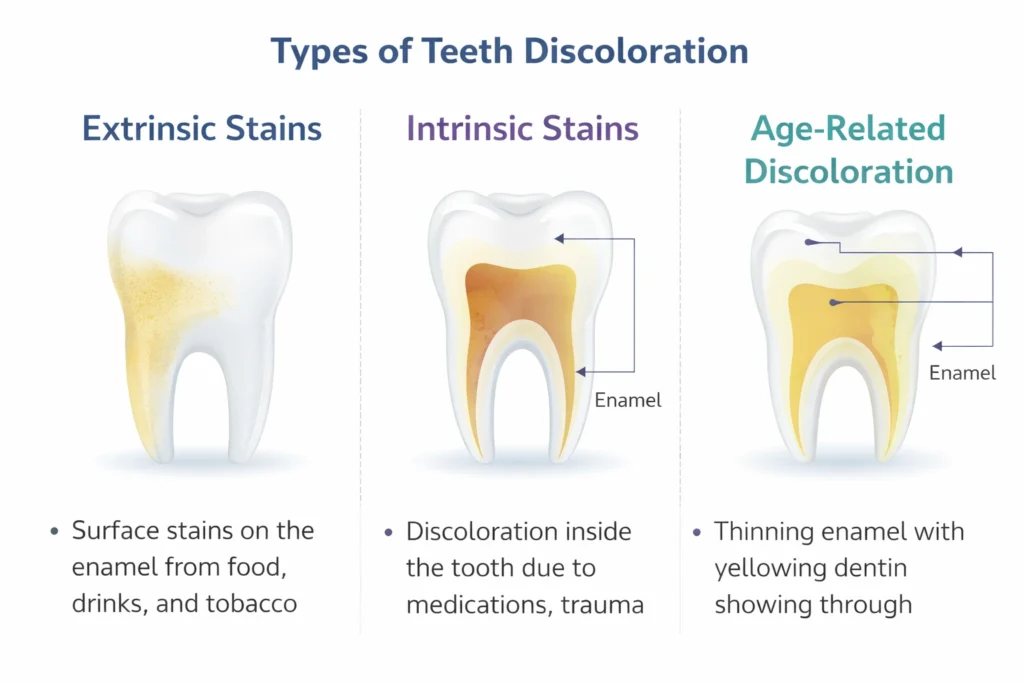
Not all stains are the same. Dental professionals generally categorize teeth stains and discoloration into three main types.
Extrinsic Teeth Stains
Extrinsic stains appear on the outer surface of the tooth enamel. These stains are the most common cause of teeth discoloration and are usually related to lifestyle habits.
Foods and beverages with strong pigments can stick to the enamel and cause surface stains. Over time, these pigments accumulate and lead to visible teeth stains and discoloration.
Common causes of extrinsic staining include:
Coffee
Tea
Red wine
Dark-colored berries
Tobacco products
Because these stains are on the surface of the teeth, they are usually easier to remove through professional cleaning or whitening treatments.
Intrinsic Teeth Discoloration
Intrinsic discoloration occurs inside the tooth structure. Unlike external stains, intrinsic stains develop within the dentin or enamel.
This type of discoloration of teeth is often caused by factors such as:
Certain medications
Dental trauma
Excess fluoride exposure
Genetic conditions affecting enamel
Intrinsic stains tend to be more difficult to treat and may require advanced cosmetic dental procedures.
Age-Related Teeth Discoloration
As people age, changes in tooth structure naturally occur. Enamel gradually becomes thinner over time, allowing the yellowish dentin beneath it to become more visible.
This process leads to gradual teeth discoloration and is considered a normal part of aging. Age-related discoloration is often a combination of both intrinsic and extrinsic factors, making it one of the most common types of teeth stains and discoloration.
What Causes Teeth Discoloration?
If you have ever wondered what causes teeth discoloration, the answer usually involves a combination of lifestyle habits, environmental factors, and natural aging. Several factors can contribute to the discoloration of teeth, and understanding them can help you prevent future staining.
Food and Drinks That Stain Teeth
One of the most common answers to what causes teeth discoloration is diet. Many foods and beverages contain strong pigments that attach to tooth enamel and cause staining.
Drinks that frequently lead to teeth stains and discoloration include:
Coffee
Black tea
Red wine
Dark sodas
Energy drinks
Foods such as berries, tomato sauce, and soy sauce can also contribute to staining. These pigments gradually build up on enamel and lead to noticeable teeth discoloration.
Smoking and Tobacco Use
Tobacco use is another major factor in the discoloration of teeth. Both smoking and chewing tobacco contain chemicals that easily stain enamel.
Nicotine and tar create yellow or brown stains that can become darker over time. Tobacco stains are often stubborn and may require professional treatment to remove.
People who smoke regularly often experience severe teeth stains and discoloration, which can significantly affect the appearance of their smile.
Poor Oral Hygiene
Neglecting daily oral care can quickly lead to teeth discoloration. When plaque and bacteria accumulate on the teeth, they create a sticky layer that traps staining substances.
Without proper brushing and flossing, plaque can harden into tartar, which contributes to visible teeth stains and discoloration. Maintaining consistent oral hygiene is one of the most effective ways to prevent the discoloration of teeth.
Aging and Enamel Wear
Aging plays a significant role in teeth discoloration. As enamel gradually wears down, the dentin underneath becomes more visible.
Dentin naturally has a yellow tone, which is why older individuals often experience more noticeable discoloration of teeth. Over time, this process can make teeth appear darker or duller.
Medications
Certain medications can cause internal teeth discoloration. Antibiotics such as tetracycline and doxycycline are well-known for causing staining, particularly when taken during childhood while teeth are developing.
Other medications that may contribute to teeth stains and discoloration include:
Antihistamines
Blood pressure medications
Chemotherapy drugs
These medications can alter the internal color of teeth, leading to noticeable discoloration of teeth.
Excess Fluoride Exposure
Fluoride is beneficial for preventing tooth decay, but excessive fluoride exposure during childhood can cause dental fluorosis.
Fluorosis often leads to white streaks or spots on the teeth, which is one reason what causes white discoloration on teeth is frequently linked to fluoride levels.
Dental Trauma
Injury to a tooth can damage the internal pulp and cause it to darken over time. This type of internal damage often leads to gray or dark teeth discoloration.
Dental trauma can occur from accidents, sports injuries, or sudden impacts. When trauma affects the blood supply to the tooth, it may result in permanent discoloration of teeth.
What Causes White Discoloration on Teeth?
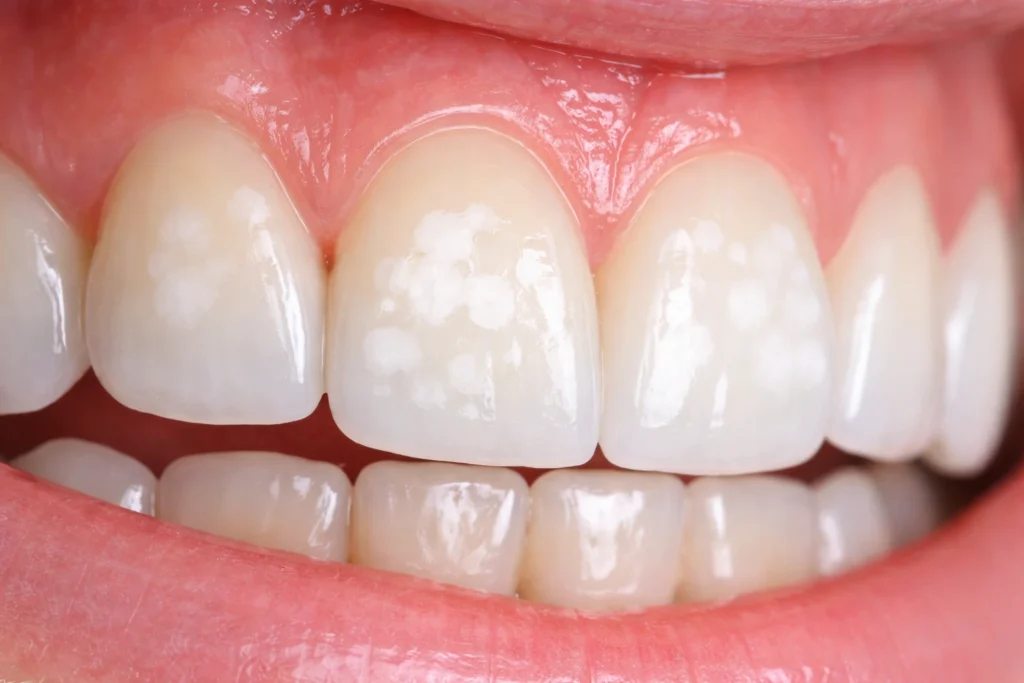
Many people notice white patches or chalky spots on their teeth and wonder what causes white discoloration on teeth. These spots are usually caused by changes in enamel mineralization.
One of the most common causes is dental fluorosis, which occurs when children consume too much fluoride while their teeth are developing.
Another reason for white discoloration on teeth is early tooth decay. When minerals are lost from the enamel, the affected area may appear as a white spot.
Other possible causes include:
Enamel hypoplasia
Braces-related mineral loss
Poor oral hygiene around orthodontic brackets
Dehydration of enamel
Although white spots may seem harmless, they can indicate underlying enamel problems. Addressing the cause early can prevent further teeth discoloration.
How Teeth Stains and Discoloration Affect Your Smile
While teeth discoloration is usually not harmful to oral health, it can have a significant impact on appearance and self-confidence.
People often feel self-conscious about visible teeth stains and discoloration, especially when smiling or speaking in social settings. A bright smile is commonly associated with youth, cleanliness, and good hygiene, so noticeable stains can affect first impressions.
The discoloration of teeth can also influence professional confidence, particularly in careers where communication and personal presentation are important.
Fortunately, modern cosmetic dentistry offers several effective solutions for treating teeth discoloration and restoring a more attractive smile.
Treatments for Teeth Discoloration
Several treatments are available to address teeth stains and discoloration, depending on the severity and cause of the problem.
Professional Teeth Whitening
Professional whitening treatments are one of the most effective solutions for teeth discoloration. Dentists use high-strength whitening agents to remove surface stains and lighten tooth color.
This treatment is particularly effective for extrinsic teeth stains and discoloration caused by food, drinks, and smoking.
At-Home Whitening Kits
At-home whitening products such as whitening strips, gels, and trays can also help reduce mild teeth discoloration.
While these products are less powerful than professional treatments, they can still improve the appearance of discoloration of teeth when used consistently.
Dental Veneers
Veneers are thin porcelain shells placed over the front surface of teeth. They are often recommended for severe teeth discoloration that cannot be corrected with whitening treatments.
Veneers provide a long-lasting cosmetic solution for stubborn teeth stains and discoloration.
Dental Bonding
Dental bonding involves applying a tooth-colored resin to the affected area. This treatment can help conceal small areas of discoloration of teeth and improve overall appearance.
Bonding is often used to correct minor stains or white spots.
Tips to Prevent Teeth Discoloration
Preventing teeth discoloration is easier than treating it. With the right habits, you can significantly reduce the risk of developing teeth stains and discoloration.
Here are some helpful prevention tips:
Brush your teeth at least twice a day
Floss daily to remove plaque buildup
Limit coffee, tea, and red wine
Avoid tobacco products
Drink water after consuming staining foods
Use a straw for dark beverages
Visit your dentist for regular cleanings
Consistent oral care can greatly reduce the chances of discoloration of teeth and help maintain a healthy smile.
When to See a Dentist for Teeth Discoloration
Sometimes teeth discoloration may indicate an underlying dental issue that requires professional attention.
You should consult a dentist if you notice:
Sudden discoloration of teeth
White spots spreading across teeth
Darkening of a single tooth
Tooth pain or sensitivity
Stains that do not respond to whitening products
A dental professional can determine what causes teeth discoloration in your specific case and recommend the most effective treatment.
Conclusion
A bright smile can significantly enhance confidence and overall appearance, but many factors can contribute to teeth discoloration. Understanding what causes teeth discoloration is the first step toward preventing and treating this common dental concern.
Lifestyle habits, aging, medications, fluoride exposure, and dental trauma are some of the most common reasons for teeth stains and discoloration. In some cases, people may also experience white spots and wonder what causes white discoloration on teeth, which is often related to enamel mineral changes.
Fortunately, modern dentistry offers many solutions for correcting the discoloration of teeth, including professional whitening treatments, veneers, and cosmetic bonding.
By maintaining good oral hygiene, making smart dietary choices, and visiting your dentist regularly, you can reduce the risk of teeth discoloration and keep your smile looking healthy and bright for years to come.