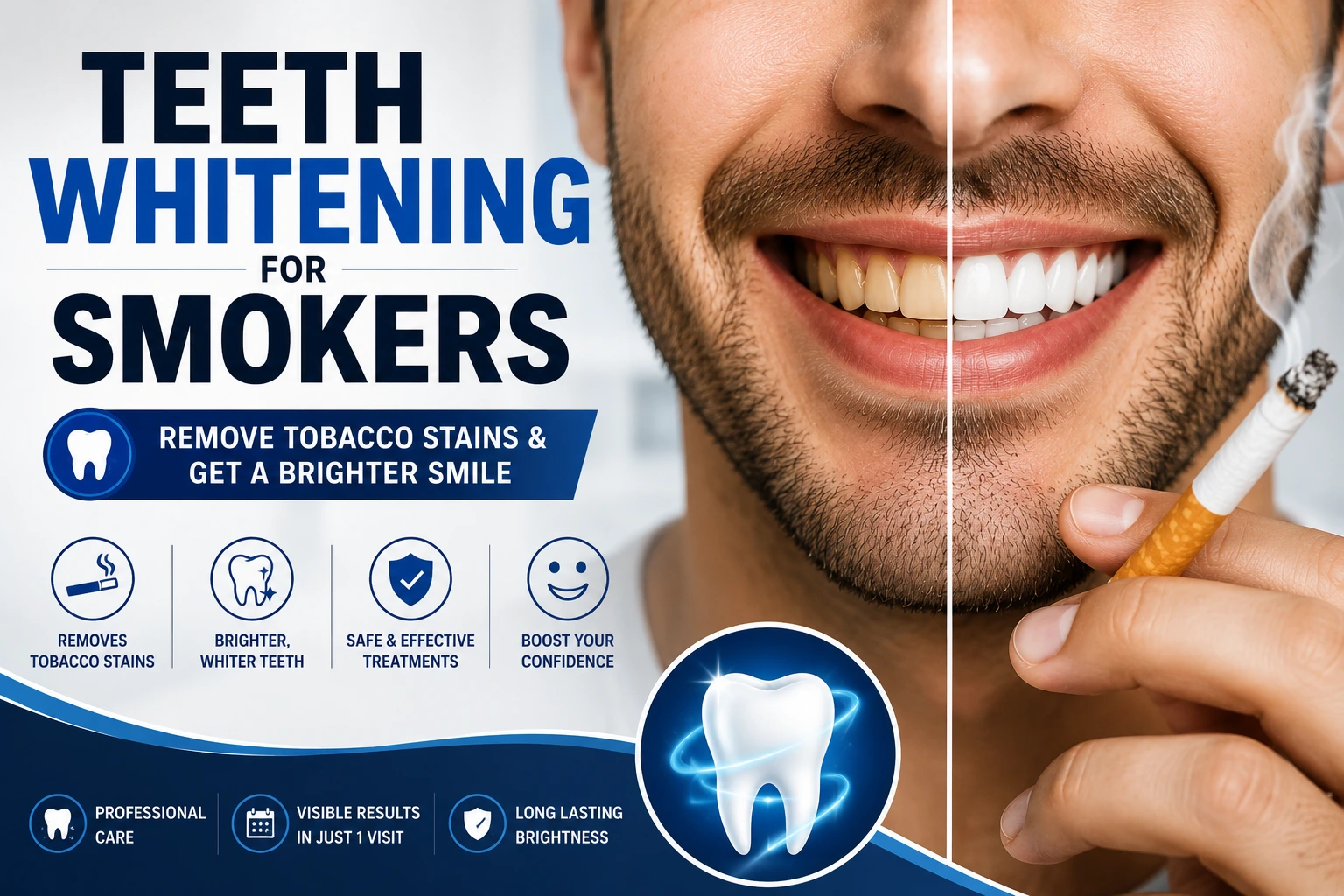
Yellow or stained teeth can affect your confidence in ways you might not even realize. You hesitate to smile in photos. You cover your mouth when laughing. Over time, these small habits become second nature, and your natural brightness fades behind a layer of self-consciousness.
But what causes teeth to lose their whiteness? Common culprits include coffee, red wine, smoking, and even the natural aging process. As enamel thins and stains build up, your smile begins to look dull and discolored. For many people, professional teeth whitening offers a powerful solution. It can reverse years of discoloration in just one appointment, restoring a brilliant, youthful appearance.
However, achieving brighter teeth is only part of the journey. The real challenge lies in keeping them that way. Without proper teeth whitening after care, those stunning results can fade much faster than expected. Your teeth are especially vulnerable to staining immediately after treatment, which is why post teeth whitening care becomes so important.
This guide will walk you through everything you need to know about maintaining white teeth after whitening. From understanding why teeth become discolored in the first place to mastering daily aftercare routines, you’ll learn how to protect your investment and keep your smile looking its best for months or even years to come.
Why Do Teeth Become Yellow and Stained Over Time?

Understanding the root causes of tooth discoloration helps you prevent future staining and appreciate why teeth whitening after care matters so much. Teeth become discolored for a variety of reasons, and these causes can be divided into external and internal factors.
External stains develop on the surface of your enamel due to lifestyle habits and dietary choices. Internal discoloration occurs deeper within the tooth structure, often as a result of aging, medication, or trauma. Both types can make your smile appear yellow, dull, or uneven.
Food and Drinks That Cause Stains
Certain foods and beverages are notorious for staining teeth. Coffee is one of the biggest offenders. Its dark pigments, known as chromogens, cling to tooth enamel and build up over time. Tea, especially black tea, contains tannins that also cause discoloration. Red wine is another common culprit, as its acidity weakens enamel while its pigments settle into tiny cracks and crevices.
Fizzy drinks contribute to staining in a different way. Their high acid content erodes enamel, making teeth more porous and susceptible to stains from other sources. Even lighter-colored sodas can lead to yellowing over time by weakening the protective outer layer of your teeth.
Smoking and Tobacco Stains
Tobacco use is one of the fastest ways to stain your teeth. Nicotine and tar leave stubborn yellow or brown marks that penetrate deep into the enamel. These stains are often resistant to regular brushing and require professional treatment to remove.
Long-term smokers may develop discoloration so severe that even professional whitening struggles to fully reverse it. That’s why quitting smoking is not only essential for your overall health but also critical for maintaining white teeth after whitening.
Poor Oral Hygiene and Plaque Build-Up
Skipping regular brushing and flossing allows plaque to accumulate on your teeth. Plaque is a sticky film of bacteria that, if left untreated, hardens into tartar. Tartar has a yellowish tint and can only be removed by a dental professional. Over time, poor oral hygiene leads to persistent discoloration and increases your risk of cavities and gum disease.
Ageing and Natural Enamel Thinning
As you age, your enamel naturally wears down. Beneath the enamel lies a yellowish layer called dentin. When enamel thins, dentin becomes more visible, giving your teeth a yellow appearance. This type of discoloration is harder to prevent but can be managed with professional whitening and diligent post teeth whitening care.
When stains become deep and stubborn, professional treatment is often required before focusing on proper teeth whitening after care.
How Professional Teeth Whitening Removes Yellow Stains
Professional teeth whitening is a cosmetic dental treatment designed to remove surface stains and lighten the overall shade of your teeth. It uses advanced techniques and high-quality products that deliver faster, safer, and more consistent results than over-the-counter kits.
What Is Laser Teeth Whitening?
Laser teeth whitening, also known as LED teeth whitening, involves applying a special whitening gel to your teeth. This gel contains active ingredients like hydrogen peroxide or carbamide peroxide, which break down stains at a molecular level. A laser or LED light is then used to activate the gel, speeding up the whitening process.
The procedure is safe, controlled, and performed under professional supervision. Most patients notice immediate improvements in brightness after just one session.
Why Professional Treatment Is Better Than DIY Methods
While drugstore whitening strips and trays might seem convenient, they often fall short in terms of results and safety. Professional treatments use higher concentrations of whitening agents, which means faster and more dramatic improvements. Additionally, dentists can tailor the treatment to your specific needs, ensuring even coverage and minimizing sensitivity.
Over-the-counter products can also cause gum irritation or uneven whitening if not used correctly. Professional care eliminates these risks and sets the stage for effective teeth whitening aftercare.
However, achieving brighter teeth is only the first step. The real key to long-term results is proper teeth whitening after care.
What to Expect During Your Whitening Appointment
If you’ve never had professional teeth whitening before, knowing what to expect can ease any nervousness and help you prepare for the best possible outcome.
Your appointment typically begins with a consultation. Your dentist will examine your teeth, discuss your goals, and take a shade measurement to track your progress. This initial assessment ensures that whitening is safe and appropriate for you.
Next, your dentist will prepare your teeth by cleaning them and applying a protective barrier to your gums. The whitening gel is then carefully applied to the surface of your teeth. Depending on the method used, a laser or LED light may be directed at your teeth to activate the gel.
The treatment usually takes between 60 and 90 minutes. During this time, you can relax while the gel works its magic. Some patients experience mild tingling or sensitivity, but this is temporary and manageable.
Once the treatment is complete, your dentist will rinse away the gel and show you the results. Most people are thrilled to see an immediate improvement of several shades. Your dentist will also provide detailed instructions for teeth whitening after care to help you maintain your new smile.
Why Teeth Whitening After Care Is Crucial for Long-Lasting Results
Immediately after professional whitening, your teeth enter a vulnerable phase. The whitening process temporarily opens up the pores in your enamel, making it more porous than usual. This means your teeth are highly susceptible to absorbing stains from foods, drinks, and other external factors.
Without proper teeth whitening aftercare, those pores can quickly pick up new pigments, undoing the effects of your treatment. Even a single cup of coffee or glass of red wine can cause noticeable discoloration during this critical window.
Following strict teeth whitening after care guidelines protects your investment and ensures your smile stays bright for as long as possible. The effort you put into aftercare directly impacts how long your results last.
The First 48 Hours: Essential Post Teeth Whitening Care Guidelines
The first two days after your whitening treatment are the most important. During this time, your enamel is still adjusting, and your teeth are at their most vulnerable. Following these post teeth whitening care guidelines will help lock in your results.
Follow the White Diet Rule

The white diet is a simple rule that helps you avoid staining during the critical first 48 hours. Essentially, if a food or drink can stain a white shirt, it can stain your teeth. Stick to light-colored, non-acidic foods to give your enamel time to recover.
Foods and Drinks to Avoid After Whitening
Certain items should be completely off-limits during the initial after care teeth whitening period. Coffee is one of the worst offenders, as its dark pigments can quickly stain freshly whitened teeth. Tea, especially black and herbal varieties, should also be avoided.
Red wine is another major culprit. Its acidity weakens enamel while its rich color leaves behind stubborn stains. Tomato-based sauces, soy sauce, and balsamic vinegar are equally problematic. Dark fruits like blueberries, blackberries, and cherries can also cause discoloration.
Safe Foods During Post Teeth Whitening Care
Fortunately, there are plenty of delicious options that won’t compromise your results. White rice, plain chicken, and turkey are excellent protein sources. Dairy products like yogurt, milk, and cheese are safe and even beneficial, as they help strengthen enamel.
Plain pasta, white fish, and cauliflower are other great choices. Drinking plenty of water throughout the day is also essential. Water helps rinse away food particles and keeps your mouth clean without introducing any staining agents.
Daily Teeth Whitening Aftercare Routine for Maintaining White Teeth After Whitening
Once you’ve made it through the first 48 hours, your focus shifts to long-term maintenance. Developing a consistent daily routine is the best way to protect your smile and extend the life of your whitening results.
Brushing Correctly After Whitening
Brushing twice a day is essential, but technique matters. Use a soft-bristled toothbrush to avoid damaging your enamel. Choose a non-abrasive toothpaste that’s gentle on your teeth. Whitening toothpastes can be helpful, but make sure they’re not too harsh.
Brush gently in circular motions for at least two minutes. Pay attention to all surfaces of your teeth, including the back molars and along the gumline. Proper brushing removes plaque and prevents new stains from forming.
Flossing and Plaque Prevention

Flossing is just as important as brushing when it comes to teeth whitening aftercare. Food particles and plaque can hide between your teeth, leading to discoloration and decay. Floss at least once a day, preferably before bed, to keep your smile clean and bright.
Choosing the Right Mouthwash
Mouthwash adds an extra layer of protection to your oral hygiene routine. Look for an alcohol-free formula that won’t dry out your mouth or irritate your gums. Some mouthwashes are specifically designed to help maintain whitening results by preventing new stains from settling in.
Professional Cleanings for Maintaining White Teeth After Whitening
Even with excellent home care, professional cleanings are necessary. Visit your dentist every six months for a thorough cleaning and checkup. These appointments remove tartar buildup that regular brushing can’t tackle and help you stay on track with maintaining white teeth after whitening.
Managing Sensitivity During Teeth Whitening After Care
Tooth sensitivity is a common side effect of professional whitening. It occurs because the whitening agents temporarily open up the pores in your enamel, exposing the underlying nerves. While this sensitivity is usually mild and short-lived, it can be uncomfortable.
Using a desensitizing toothpaste can help reduce discomfort. These toothpastes contain ingredients like potassium nitrate, which block pain signals from reaching the nerves in your teeth. Start using one a few days before your whitening appointment and continue for a week or two afterward.
Avoid extremely hot or cold foods and drinks during the post teeth whitening care period. Sipping ice water or biting into hot soup can trigger sharp pain if your teeth are still sensitive. Sticking to room-temperature foods minimizes discomfort while your enamel recovers.
Habits That Can Ruin Your Teeth Whitening Aftercare Results
Even with the best intentions, certain habits can sabotage your efforts to maintain a bright smile. Being aware of these pitfalls helps you avoid them.
Smoking Too Soon After Treatment
Smoking is one of the fastest ways to reverse your whitening results. Tobacco stains are notoriously stubborn and can undo weeks or months of careful teeth whitening after care in just a few days. If you’re serious about keeping your teeth white, quitting smoking is essential.
Drinking Coffee Without Rinsing
If you can’t give up coffee entirely, at least rinse your mouth with water immediately after drinking it. This simple habit washes away pigments before they have a chance to settle into your enamel. Using a straw can also help minimize contact between the coffee and your teeth.
Poor Oral Hygiene
Skipping brushing or flossing allows plaque and stains to accumulate. Consistency is key when it comes to maintaining white teeth after whitening. Even one missed brushing session can give stains a foothold.
Ignoring Professional After Care Teeth Whitening Advice
Your dentist provides personalized after care teeth whitening instructions for a reason. Ignoring this guidance can lead to disappointing results and shorter-lasting effects. Follow their recommendations closely to get the most out of your treatment.
How Long Do Results Last With Proper Teeth Whitening After Care?
One of the most common questions people ask is how long their whitening results will last. The answer depends largely on your lifestyle and how well you follow teeth whitening aftercare guidelines.
With proper care, professional whitening results can last anywhere from six months to two years. People who avoid staining foods, maintain excellent oral hygiene, and visit their dentist regularly tend to enjoy longer-lasting results.
On the other hand, those who resume old habits like smoking or drinking excessive amounts of coffee may notice fading within just a few months. The good news is that touch-up treatments can easily restore your brightness when needed.
When to Book a Touch-Up Treatment
Even with diligent teeth whitening after care, your smile will gradually lose some of its brightness over time. This is completely normal. Everyday activities like eating, drinking, and aging contribute to subtle changes in shade.
Most people benefit from a touch-up treatment once or twice a year. If you notice your teeth starting to look slightly yellower or duller, it’s a good time to schedule an appointment. Touch-ups are quicker and less intensive than the initial treatment, and they help you maintain consistent results.
Your dentist can recommend the ideal timing for touch-ups based on your specific needs. Staying proactive with maintaining white teeth after whitening ensures you never lose the confidence that comes with a radiant smile.
FAQs About Teeth Whitening After Care
How long should I avoid coffee during post teeth whitening care?
You should avoid coffee for at least 48 hours after your whitening treatment. This gives your enamel time to close its pores and reduces the risk of staining. After that, you can enjoy coffee in moderation, but always rinse your mouth with water afterward.
Is sensitivity normal during teeth whitening aftercare?
Yes, mild sensitivity is completely normal and usually temporary. It occurs because the whitening process opens up the pores in your enamel. Using desensitizing toothpaste and avoiding extreme temperatures can help manage discomfort.
What is the best toothpaste for after care teeth whitening?
Look for a non-abrasive toothpaste that’s gentle on your enamel. Whitening toothpastes can be helpful for maintaining results, but choose one that’s not too harsh. Desensitizing toothpastes are also a great option if you’re experiencing sensitivity.
How can I focus on maintaining white teeth after whitening?
Consistency is key. Brush twice a day, floss daily, and visit your dentist for regular cleanings. Avoid staining foods and drinks as much as possible, and follow your dentist’s after care teeth whitening advice closely.
Can smoking affect teeth whitening after care results?
Absolutely. Smoking is one of the fastest ways to stain your teeth and reverse your whitening results. If you want to maintain a bright smile, quitting smoking is essential.
How important is professional post teeth whitening care advice?
Very important. Your dentist provides personalized guidance based on your specific treatment and needs. Following their advice ensures you get the best possible results and helps you avoid common mistakes.
Protect Your Investment With Proper Teeth Whitening After Care
Yellow teeth are a common concern, but they don’t have to be permanent. Professional whitening offers a safe and effective way to restore your smile’s natural brightness. However, the treatment itself is only the beginning.
The real secret to a lasting, radiant smile lies in proper teeth whitening after care. By following the guidelines outlined in this post, you can protect your results and enjoy a confident, beautiful smile for months or even years to come.
Maintaining white teeth after whitening requires consistency, mindfulness, and a commitment to good oral hygiene. Avoid staining foods and drinks during the critical first 48 hours. Develop a daily routine that includes brushing, flossing, and rinsing. Schedule regular dental cleanings and touch-up treatments as needed.
Your smile is worth the effort. Take the time to care for it properly, and you’ll continue to turn heads with every bright, confident grin. Ready to take the next step? Book your professional whitening appointment today and start your journey toward a brighter, more confident you.