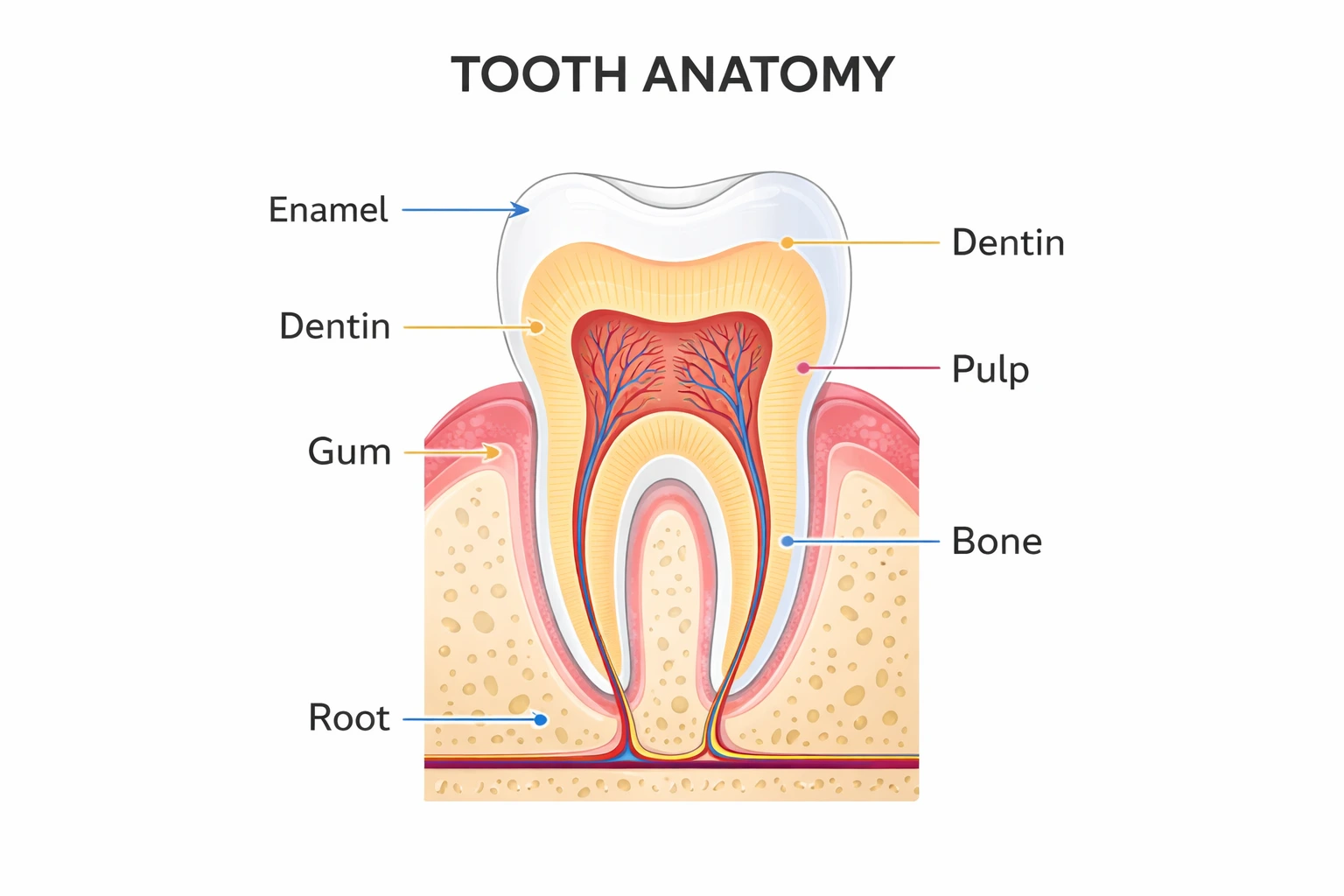
Maintaining a healthy smile is not just about appearance. It plays a vital role in your overall health and confidence. Many people search for ways to improve their oral hygiene, but understanding how to maintain healthy teeth requires more than just brushing once a day. It involves a combination of proper daily habits, a balanced diet, and regular dental care.
Poor oral hygiene can lead to cavities, gum disease, bad breath, and even serious health issues. The good news is that with the right approach, you can keep your teeth strong and your smile bright for years to come. In this guide, we will explore everything you need to know about building and maintaining excellent oral health.
Why Maintaining Healthy Teeth Is Important
Healthy teeth are essential for more than just a beautiful smile. They allow you to chew food properly, speak clearly, and maintain your facial structure. When your oral health is neglected, it can lead to painful conditions such as tooth decay and gum infections.
There is also a strong connection between oral health and overall well being. Poor dental hygiene has been linked to heart disease, diabetes, and infections. This is why learning how to maintain healthy teeth is crucial for long term health.
Additionally, healthy teeth boost your confidence. A clean and bright smile can improve your social interactions and leave a lasting impression.
Daily Oral Hygiene Routine
Creating a consistent daily routine is the foundation of healthy teeth. Without proper care, plaque can build up quickly and cause damage.
Brushing Techniques
Brushing your teeth twice a day is essential. Use a soft bristled toothbrush and fluoride toothpaste. Hold your brush at a slight angle and use gentle circular motions. Avoid brushing too hard as it can damage your enamel and irritate your gums.
Make sure to brush for at least two minutes and cover all surfaces of your teeth, including the back and chewing areas.
Importance of Flossing
Flossing removes food particles and plaque from areas your toothbrush cannot reach. Many people skip this step, but it is a key part of how to maintain healthy teeth.
Use dental floss once a day and gently clean between each tooth. This helps prevent gum disease and cavities in hard to reach areas.
Using Mouthwash
Mouthwash is a helpful addition to your routine. It helps kill bacteria, freshens breath, and can strengthen enamel if it contains fluoride. Use it after brushing and flossing for best results.
Diet and Nutrition for Healthy Teeth
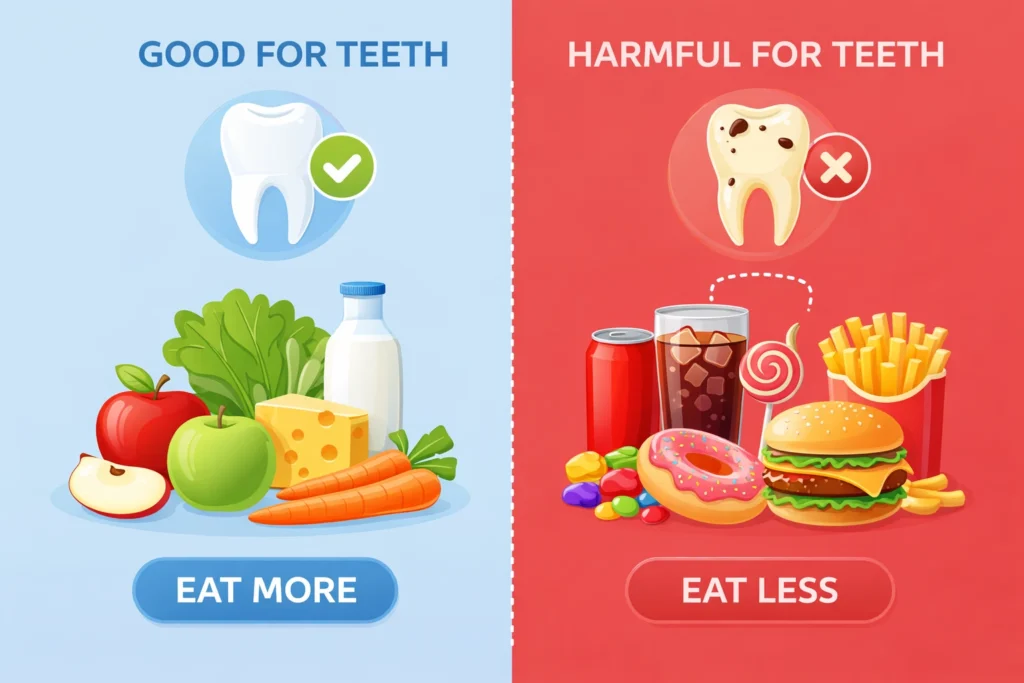
What you eat plays a major role in your oral health. A balanced diet can protect your teeth and gums, while poor food choices can lead to decay.
Foods rich in calcium such as milk, cheese, and yogurt help strengthen your teeth. Crunchy fruits and vegetables like apples and carrots stimulate saliva production, which naturally cleans your mouth.
On the other hand, sugary snacks and acidic drinks can damage your enamel. Limiting these foods is an important part of how to maintain healthy teeth naturally.
Drinking plenty of water throughout the day helps wash away food particles and keeps your mouth hydrated.
Regular Dental Checkups and Professional Care
Even with a perfect routine, professional dental care is essential. Visiting your dentist every six months allows for early detection of problems before they become serious.
Professional cleanings remove plaque and tartar that cannot be eliminated at home. Dentists can also provide personalized advice on how to improve your oral care routine.
If you are serious about learning how to maintain healthy teeth, regular dental visits should never be skipped.
Common Mistakes That Damage Teeth
Many people unknowingly harm their teeth through everyday habits.
One common mistake is brushing too hard. This can wear down enamel and cause sensitivity. Another mistake is skipping flossing, which allows plaque to build up between teeth.
Frequent consumption of sugary drinks like soda and energy drinks also contributes to tooth decay. Using your teeth as tools to open packages or bite hard objects can lead to cracks and damage.
Ignoring early signs such as tooth pain or bleeding gums can make problems worse. Addressing issues early is key to maintaining healthy teeth.
Tips for Maintaining Healthy Teeth Long Term
Consistency is the key to long lasting oral health. Replacing your toothbrush every three months ensures effective cleaning. Choosing a fluoride toothpaste helps protect your enamel and prevent cavities.
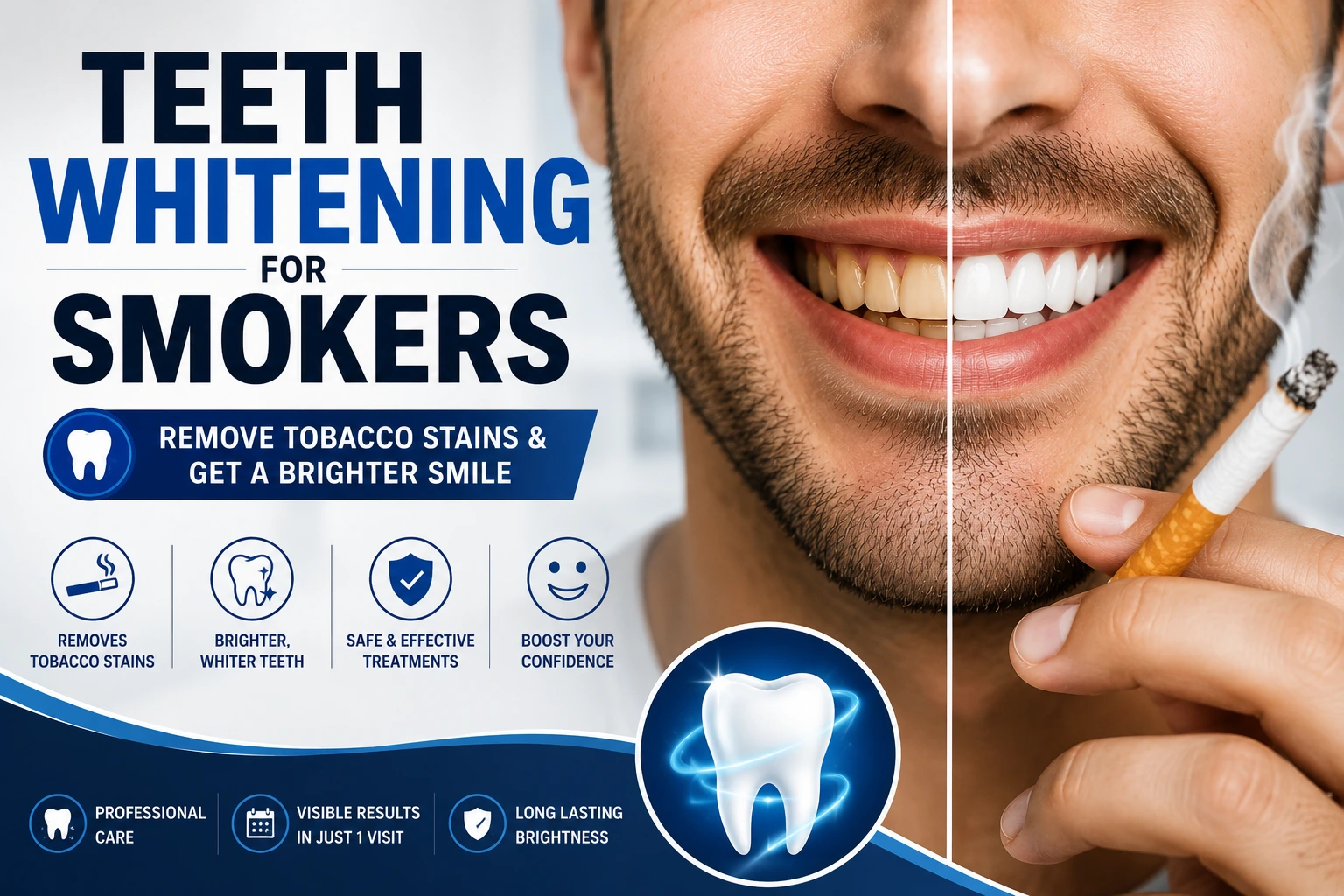
Avoiding smoking and tobacco products is also important, as they can cause gum disease and discoloration.
Staying committed to your daily routine and making healthy lifestyle choices will make a significant difference. These simple habits are essential when learning how to maintain healthy teeth over time.
Special Care for Sensitive Teeth
Tooth sensitivity can make eating and drinking uncomfortable. It is often caused by worn enamel or exposed tooth roots.
Using toothpaste designed for sensitive teeth can help reduce discomfort. Avoid extremely hot or cold foods and brush gently to prevent further damage.
If sensitivity persists, it is important to consult a dentist. Proper care can prevent the condition from worsening.
Oral Care Tips for Different Age Groups
Oral health needs change at different stages of life.
Children should be taught proper brushing and flossing habits early. This helps them develop lifelong healthy routines.
Adults need to maintain consistency despite busy schedules. Stress and diet can impact oral health, so regular care is essential.
Older adults may face issues such as gum recession and tooth loss. Regular dental visits and proper hygiene can help manage these challenges.
Understanding these differences is important when considering how to maintain healthy teeth at every age.
Natural Remedies for Healthy Teeth
Some natural methods can support your oral care routine.
Oil pulling is a traditional practice that may help reduce bacteria in the mouth. Rinsing with saltwater can soothe gums and reduce inflammation.
While these remedies can be helpful, they should not replace brushing, flossing, or professional dental care. They work best as a supplement to a proper routine.
Signs of Unhealthy Teeth You Should Not Ignore
Recognizing early warning signs can prevent serious dental issues.
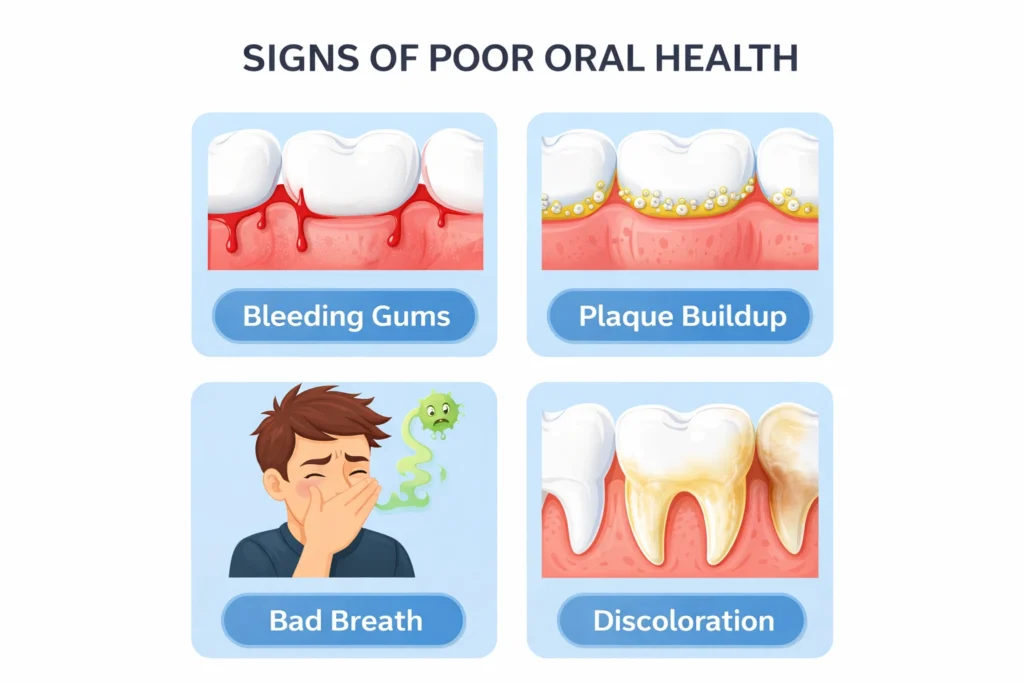
Bleeding gums may indicate gum disease, while persistent bad breath can signal bacterial buildup. Tooth sensitivity and discoloration are also signs that something may be wrong.
If you notice any of these symptoms, it is important to seek professional advice. Taking action early is a key part of how to maintain healthy teeth effectively.
Frequently Asked Questions
How often should I brush my teeth
You should brush your teeth at least twice a day for two minutes each time.
What foods are best for strong teeth
Foods rich in calcium and fiber such as dairy products, fruits, and vegetables are beneficial.
Can I maintain healthy teeth at home
Yes, with proper brushing, flossing, and a healthy diet, you can maintain good oral health at home.
Is flossing really necessary
Yes, flossing removes plaque from areas that brushing cannot reach.
How to maintain healthy teeth naturally
You can maintain healthy teeth naturally by eating a balanced diet, drinking water, and practicing good oral hygiene.
Conclusion
A healthy smile requires consistent care and smart choices. From daily brushing and flossing to regular dental visits and a balanced diet, every step plays a role in your oral health.
Understanding how to maintain healthy teeth is not complicated, but it does require commitment. By following the tips outlined in this guide, you can protect your teeth, improve your confidence, and enjoy long term dental health.
Start making small changes today, and your smile will thank you for years to come.