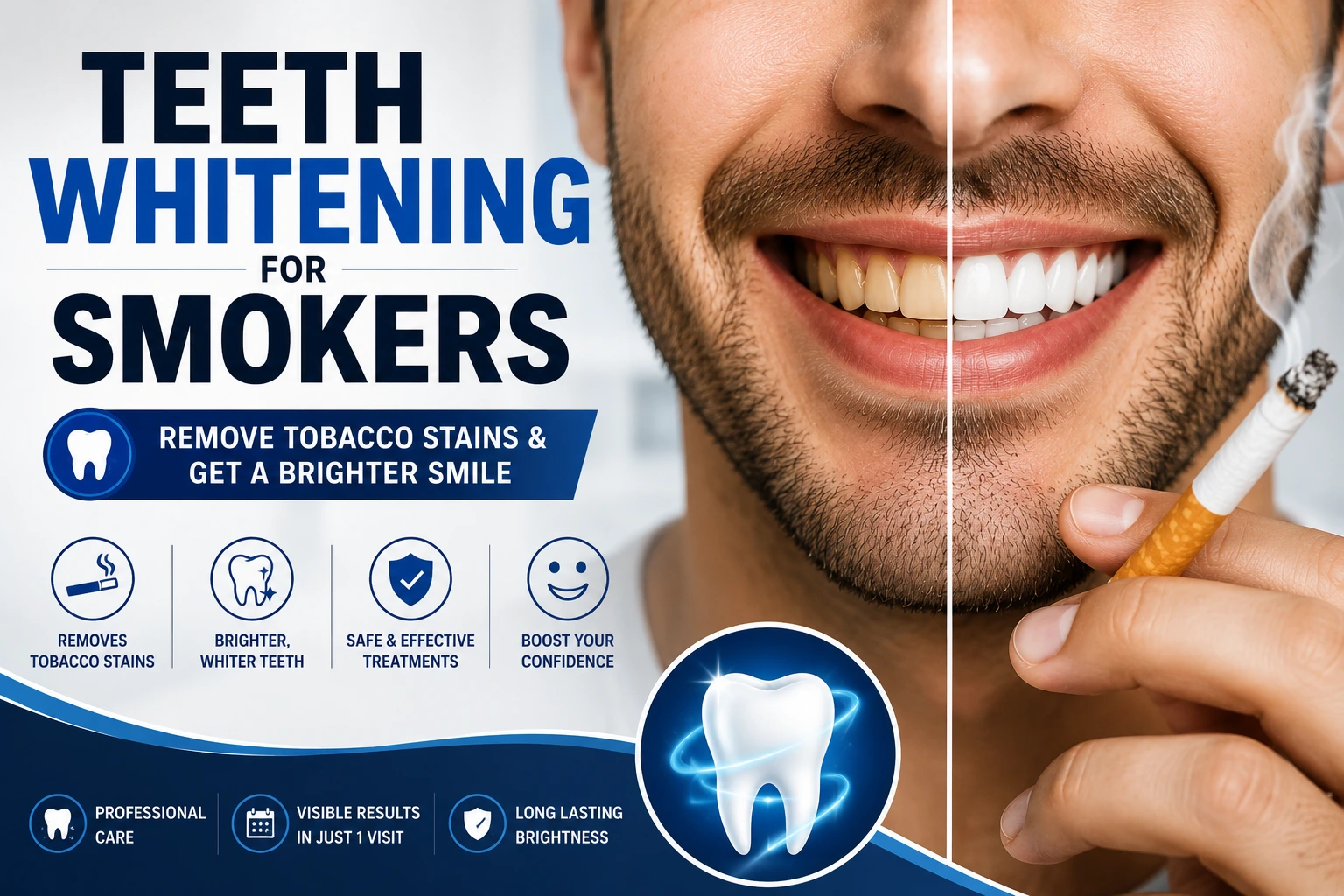
For many, the idea of a brighter smile is immediately followed by a wince. If you suffer from tooth sensitivity, you know that sharp, sudden “zing” all too well. It’s the feeling that hits when you bite into a popsicle or sip hot coffee. Because of this, the prospect of applying bleaching agents to your enamel can feel daunting, or even impossible.
You might be holding back from achieving the smile you want because you are afraid of the pain. Perhaps you have heard horror stories of “zingers”—those flashes of nerve pain—that occur during whitening treatments. It is a valid concern. The chemicals used to lift stains penetrate the enamel, and for someone with lower pain thresholds or thinner enamel, this can be uncomfortable.
However, having sensitive teeth does not mean you are sentenced to a lifetime of stained or yellowed enamel. The dental industry has made significant strides in formulation and application techniques, helping people discover the best teeth whitening for sensitive teeth without sacrificing comfort.
This guide explores the realities of whitening for sensitive candidates. We will look at why sensitivity happens, which methods professional dentists recommend, and how to manage your dental health throughout the process so you can smile with confidence—and without pain.
What Causes Tooth Sensitivity?
 Before you try to treat discoloration, it is important to understand the underlying mechanics of your sensitivity. Sensitivity usually occurs when the dentin—the softer layer of the tooth beneath the hard enamel—becomes exposed. Dentin contains microscopic tubules (tiny channels) that lead directly to the tooth nerve. When these tubules are exposed to external stimuli like cold, heat, or acidic whitening gels, the nerve triggers pain.
Several factors contribute to this exposure:
Before you try to treat discoloration, it is important to understand the underlying mechanics of your sensitivity. Sensitivity usually occurs when the dentin—the softer layer of the tooth beneath the hard enamel—becomes exposed. Dentin contains microscopic tubules (tiny channels) that lead directly to the tooth nerve. When these tubules are exposed to external stimuli like cold, heat, or acidic whitening gels, the nerve triggers pain.
Several factors contribute to this exposure:
- Enamel Erosion: Aggressive brushing, acidic diets (sodas, citrus), or acid reflux can wear down the protective enamel layer, bringing the nerve closer to the surface.
- Gum Recession: Gum disease or hard brushing can cause the gums to pull back, exposing the tooth root. Roots do not have enamel coverage, making them highly sensitive to temperature and chemicals.
- Teeth Grinding (Bruxism): Clenching or grinding your teeth creates micro-cracks in the enamel, offering a direct path for whitening agents to irritate the nerve.
- Previous Whitening Misuse: Overusing over-the-counter strips or using trays that don’t fit well can chemically burn the gums or dehydrate the tooth, leading to chronic sensitivity.
Can You Whiten Teeth If You Have Sensitive Teeth?
The short answer is yes. You can absolutely whiten sensitive teeth, but the approach must be different from the standard “one-size-fits-all” method. The key lies in the concentration of the bleaching agent and the delivery method. Standard over-the-counter kits often use high concentrations of peroxide to promise fast results, but they lack the protective measures found in professional settings. This “blast” approach is often what triggers extreme sensitivity. Successful sensitive teeth whitening relies on a “low and slow” philosophy. By using lower concentrations of whitening agents over a longer period, or by utilizing advanced buffering ingredients, you can achieve the same dazzling results without the shock to your nerves. Furthermore, a dental professional can assess whether your sensitivity is caused by a cavity or active decay—conditions that must be treated before any cosmetic work begins to avoid severe pain.Best Teeth Whitening Option for Sensitive Teeth
If you are navigating the market with a sensitive mouth, you need to be selective. Not all products are created equal, and some are specifically engineered to minimize discomfort. Here are the most effective options, ranked by safety and efficacy for sensitive patients.Professional In-Clinic Whitening
This is often the safest route because it happens under controlled conditions. In a clinic, a dentist protects your gums with a barrier gel or shield before applying the whitening agent. This prevents the bleach from touching soft tissues, which is a major source of pain. Modern in-clinic systems often allow the dentist to adjust the intensity of the light or the concentration of the gel based on your real-time feedback.Professional Teeth Whitening for Sensitive Teeth (Expert Insight)
Why do dental experts consistently recommend professional teeth whitening for sensitive patients? It comes down to control and chemistry. When you buy a kit off the shelf, you are guessing at the outcome. When you work with a professional, the treatment is customized. Dentists utilize desensitizing agents that are not always available in retail products. Before the whitening process even begins, a dentist might apply a desensitizing varnish or prescribe a high-fluoride toothpaste to use for two weeks prior to treatment. This “pre-conditioning” fortifies the nerve endings against the upcoming chemical change. During the procedure, professionals use specific isolation techniques. They ensure that not a single drop of whitening gel touches a receding gum line or an exposed root. If you experience discomfort during an in-office session, the dentist can immediately stop, apply a soothing gel, and adjust the protocol. Furthermore, professionals often use whitening gels with a neutral pH. Many cheaper, online whitening products are highly acidic to increase shelf life. This acidity eats away at enamel and causes significant pain. Professional-grade gels are balanced to ensure they lift the stain without etching the tooth surface.Professional Teeth Whitening Cost: What to Expect
Investing in your smile is a decision that involves both aesthetic and financial considerations. When researching professional teeth whitening cost, you will find a range of price points. It is important to understand what you are paying for, especially regarding safety for sensitive teeth. Generally, professional whitening can range from $199 to over $1,000, depending on the complexity of the treatment and your location.- Take-Home Custom Trays: These are usually on the lower end of the professional price spectrum. You are paying for the lab time to make the custom trays and the professional-grade gel. This is often the best value for sensitive patients as the trays last for years and can be reused for touch-ups.
- In-Office Whitening: This commands a higher price because it involves chair time with a dentist or hygienist and immediate results. The cost reflects the technology used (such as laser or LED acceleration) and the monitoring by medical staff.
Sensitive Teeth Whitening: Before and After Results
Managing expectations is crucial. You might be scrolling through social media, looking at pictures of teeth whitening before and after treatments, hoping for blinding white results overnight. For sensitive teeth, the journey is often more subtle and gradual—but equally rewarding. Realistic results for sensitive candidates involve lightening the teeth by several shades, restoring a natural, youthful brightness rather than an artificial “Hollywood” white that might require harsh, painful chemicals. In legitimate before and after comparisons, you should look for:- Uniformity: The color should be even across the tooth, not patchy.
- Gum Health: The gums in the “after” photo should look pink and healthy, not red, white, or irritated.
- Natural Tone: The teeth should look clean and bright, not translucent or chalky.
How to Reduce Sensitivity During and After Whitening
 Even with the best products, you may experience mild sensitivity. Here is how to manage it effectively:
- Switch Your Paste: Two weeks before you start whitening, switch to a toothpaste containing potassium nitrate. Continue using it throughout the treatment and for two weeks after.
- Watch Your Diet: For 48 hours after whitening, your enamel pores are open. Avoid extremely hot or cold foods. Also, avoid highly acidic foods like pickles, citrus, or tomato sauce, which can sting “active” teeth.
- Space It Out: If you are using home trays and feel pain, skip a day. You do not need to whiten every single night. The results will be the same if you whiten every other day; it just takes a little longer.
- Use Less Gel: A common mistake is overloading the tray. You only need a tiny droplet per tooth. Excess gel oozes out onto the gums and causes irritation.
- Soft Brushing: Use a soft-bristled toothbrush and lukewarm water when brushing your teeth during the treatment period to avoid mechanical irritation.